Biodiversity Preservation Block 53

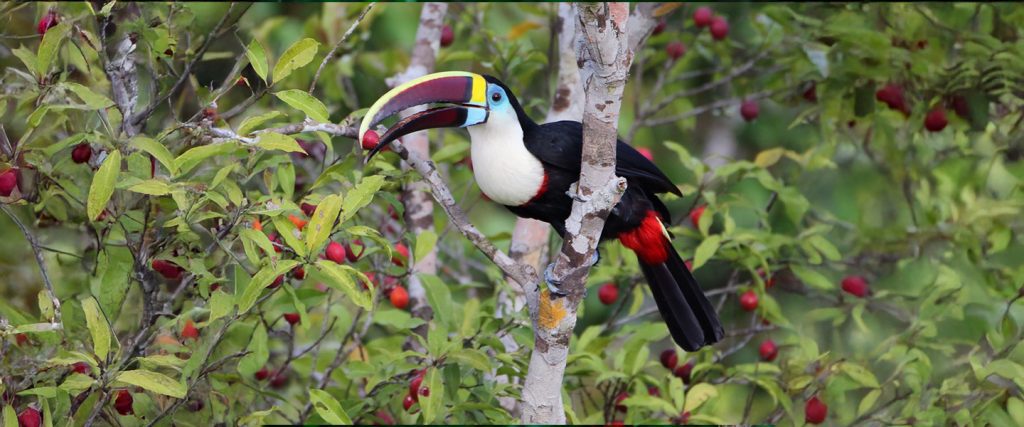
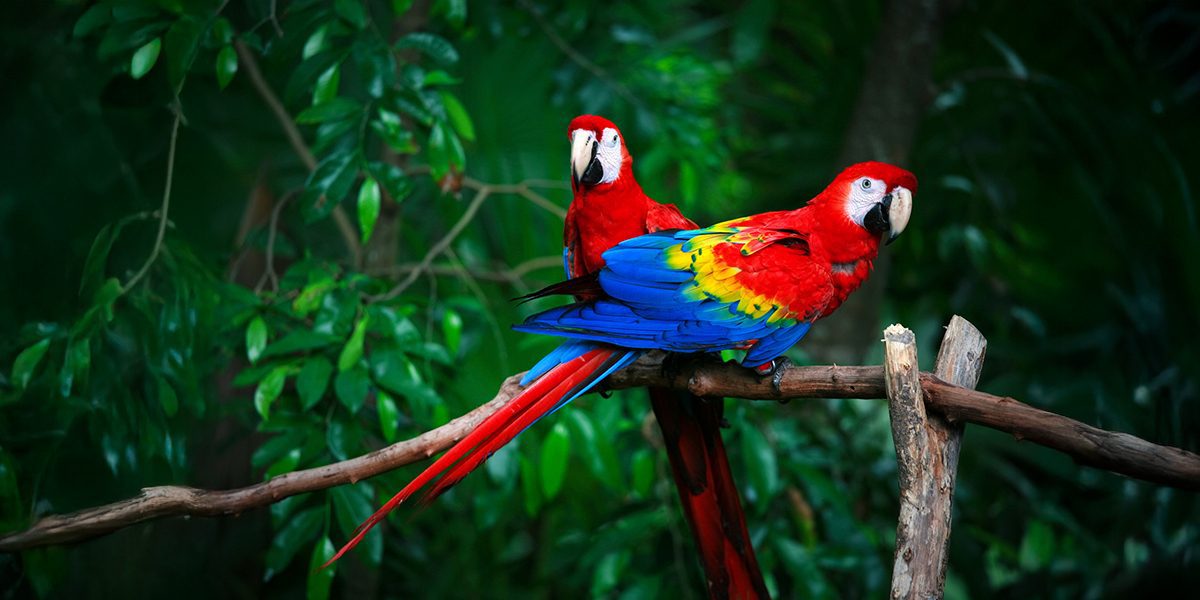
During the bird survey conducted in October 2014, 47 bird species were identified in the area affected by Gente Oil Ecuador’s operations. Ten years later, in December 2024, the number of recorded species had increased to 78, including iconic Amazonian species such as the White-throated Toucan (Ramphastos tucanus) and the Red-bellied Macaw (Orthopsittaca manilatus).

In this latest survey, 344 individuals belonging to 78 species were recorded, distributed across 29 families and 14 orders. This diversity represents approximately 4.75% of Ecuador’s mainland avifauna (n=1,640 spp., Freire and Restall, 2018), indicating a notable increase in the area’s species richness.

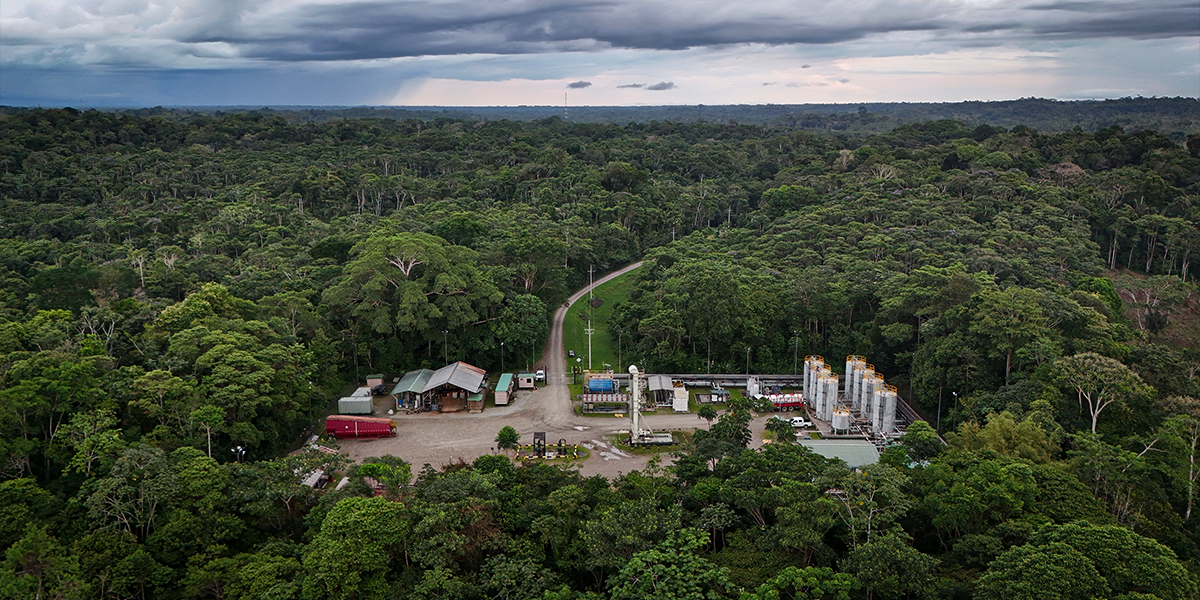
This increase in bird diversity is attributed to the sustained implementation of strategies for the conservation and restoration of natural habitats, including the protection of remnant natural forests, the regeneration of disturbed areas, and the use of low-impact technologies such as cluster drilling and systems to control air emissions and noise. These actions have helped maintain and improve the ecosystem services essential to local biodiversity.

Likewise, the commitment of local communities has been key to the preservation of wildlife. Through environmental education programs and ongoing training, we have promoted ecological awareness and active participation in the protection of ecosystems, encouraging sustainable practices and the reduction of activities such as hunting and deforestation.

In addition, we conduct frequent biotic monitoring in our areas of influence in order to evaluate the composition and abundance of flora and fauna species. This information allows us to identify changes in local biodiversity and to apply the most appropriate measures for the conservation of natural habitats in a timely manner.

These monitoring activities are part of a comprehensive environmental management strategy aimed at preserving ecosystem services and mitigating the impacts associated with our operations. Through these ongoing practices, we strengthen our commitment to sustainability and the conservation of Amazonian biodiversity.

It is also relevant to note that, in the case of mammals, between 2014 and 2024 the Shannon diversity index - an ecological measure that quantifies the diversity of species in a community - has increased by 28.96%. This increase indicates that community diversity has improved, suggesting a more balanced and healthy ecosystem.

As a result of this positive change, species that had not previously been recorded in the area have been identified, such as the black chichico(Saguinus nigricollis) and the yellow-handed marmoset(Cheracebus lucifer).

People Oil Ecuador

Related Publications