In public and technical debates, it is common to hear people talk about “energy” and “oil” as if they were the same thing. Although they are closely related, they are not synonymous. Energy is a broad concept. Oil is one of its sources.
Understanding this relationship is the key to understanding the role played by the hydrocarbon industry in the energy development of Ecuador and the world.
Energy: the general concept
Energy is the ability to perform work or generate motion. It can come from various sources: water (hydroelectric), the sun (solar), wind (wind power), biomass, natural gas, uranium (nuclear), or, of course, fossil fuels such as oil.
Every modern economy needs energy to function: from lighting a light to driving an industrial turbine or transporting food. Energy is not limited to electricity consumption, but also includes liquid fuels, heat and industrial processes.
Oil: a key energy source
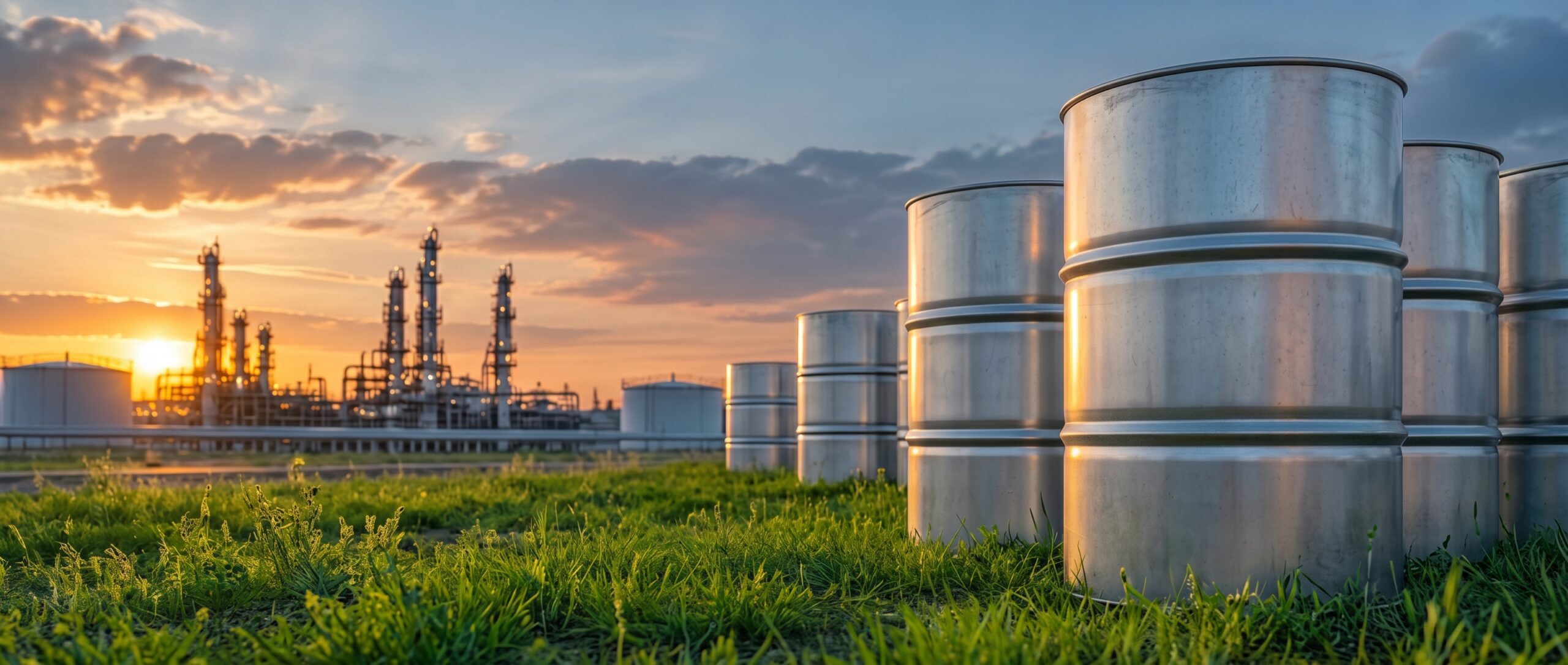
Oil is a primary source of energy extracted from the ground. When refined, it is turned into products such as gasoline, diesel, jet fuel, fuel oil, liquefied petroleum gas (LPG), and other essential derivatives.
Its versatility makes it vital to sectors such as transportation, manufacturing, petrochemicals, and, in many countries, even electricity generation. Although efforts are underway to diversify the energy mix toward renewable sources, oil remains—and will continue to be for decades—a central component of the global energy supply.
The role of oil in the Ecuadorian energy matrix
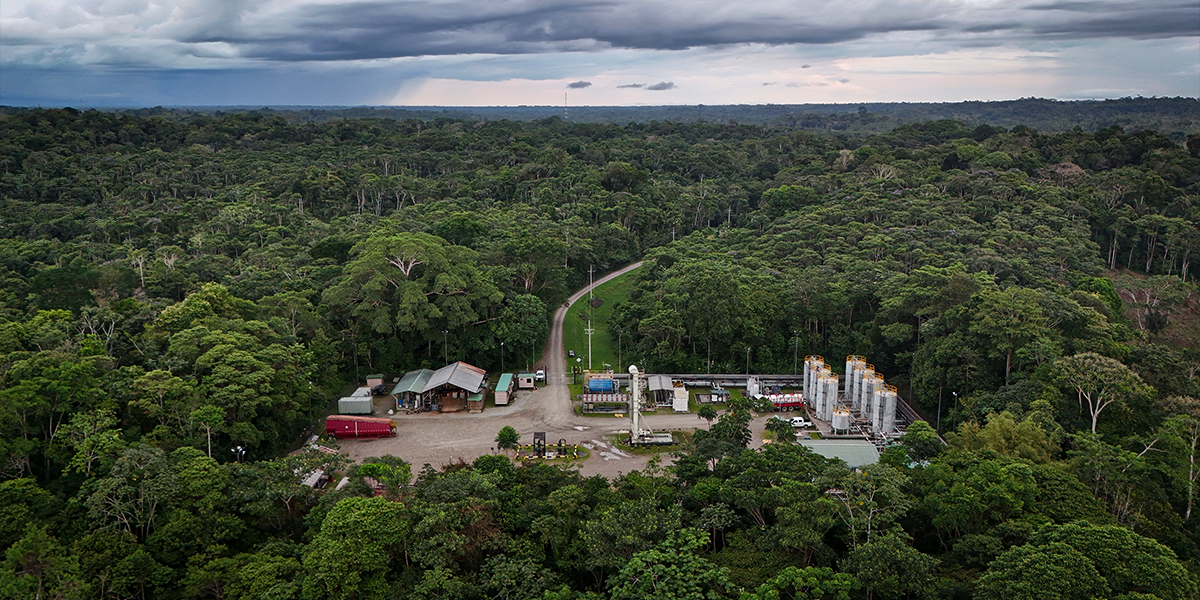
In Ecuador, oil is not only the main source of exports, but also supplies a large part of the country's energy consumption. Vehicles, machinery, airplanes and ships use locally produced crude oil derivatives.
In addition, some of the gas associated with oil is used to generate electricity in remote locations or at oil fields, replacing the use of diesel. This directly links oil to operational sustainability.
Energy, transition and responsibility
Talking about energy today also means discussing the energy transition: that is, how to transition to a cleaner energy mix without destabilizing the economy or jeopardizing the energy supply.
Far from disappearing immediately, oil remains a key player in this transition. The challenge lies in producing it efficiently, minimizing its environmental footprint, and using it responsibly, while strengthening other complementary sources.
In Context
• Energy is everything. Oil is one of its sources.
• Oil remains critical to transportation, industry, and the global economy.
• In Ecuador, responsible extraction and efficient use of oil underpin the current energy mix.
• The oil industry does not compete with the energy transition
Gente Oil Ecuador